IEPE is an abbreviation for Integrated Electronics Piezo-Electric . An IEPE sensor refers to a sensor that uses the IEPE type, which means it has a built-in charge amplifier or voltage amplifier.
The most common IEPE sensors are microphones and accelerometers . Because they generate very little power, the electrical signals they produce are easily affected by noise, requiring sensitive circuitry for signal conditioning and amplification.
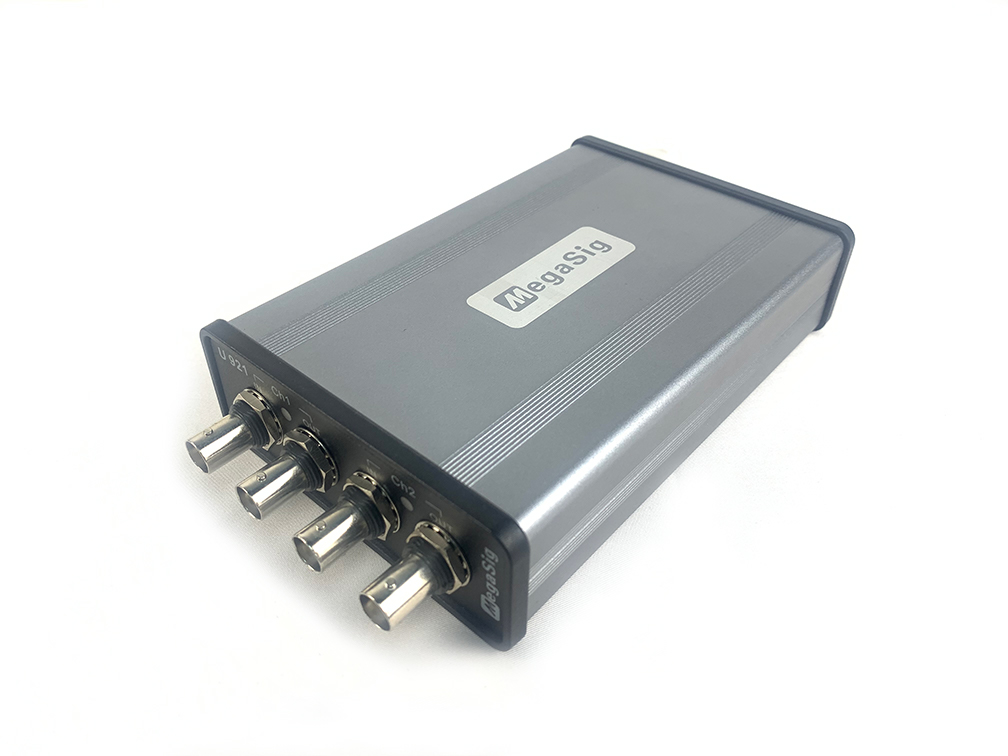
The use of IEPE sensors requires an IEPE signal conditioner to provide a constant current source of 2~20mA to the sensor and to perform related functions such as signal amplification and filtering , converting the sound or vibration signals captured by the sensor into a larger voltage value that can be captured by the data acquisition card/analyzer.
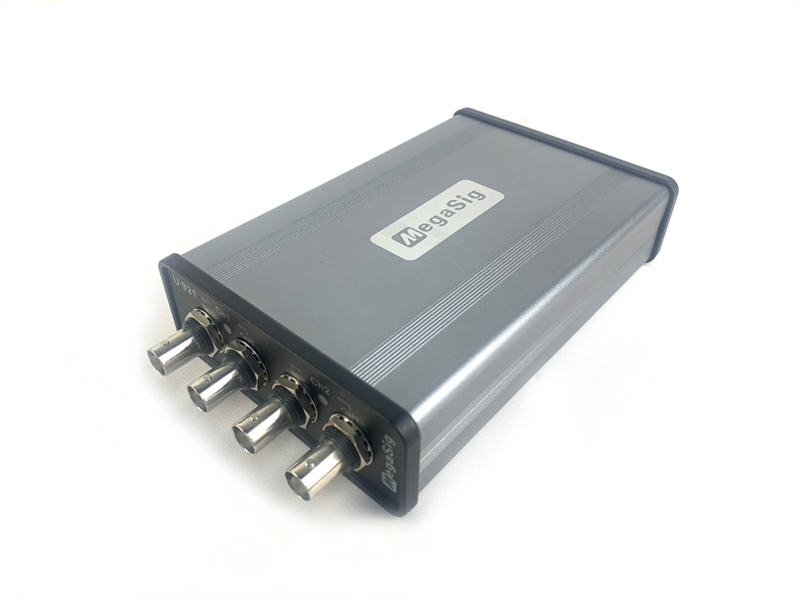
https://www.megasig.com/ )
Generally, IEPE signal conditioners are compatible with all IEPE sensors, meaning that as long as it’s a constant current source (provided the supply voltage meets requirements), it can be used with IEPE sensors from different manufacturers.
Regarding ICP® (Integrated Circuit Piezoelectric) , its historical background is important. The commercialization of piezoelectric sensors with built-in circuits can be traced back to the late 1960s. In the 1970s and 80s, companies like Kistler, PCB Piezotronics (hereinafter referred to as PCB), and Endevco all produced this type of sensor, and PCB referred to these sensors as ICP type. At that time, PCB did not specifically register ICP, and the industry generally used ICP to refer to piezoelectric sensors with built-in circuits.
Around 1990, Brüel & Kjær (now HBK), a long-established manufacturer of charge-type sensors, also launched its own built-in circuit sensors. Built-in circuit piezoelectric sensors gradually gained market support due to their ease of use and were favored by various sensor manufacturers. In this context, PCB manufacturers registered ICP® as a trademark, preventing them from using ICP® to refer to their built-in circuit sensors. Instead, they registered or used other trade names (e.g., HBK referred to its built-in circuit type as CCLD). Therefore, to facilitate communication, the industry proposed using IEPE as the type name for these sensors. Over time, the IEPE type name has become widely accepted in the industry.