There are various methods for vibration testing, which can be categorized according to the type of excitation signal: Sine Vibration Test, Random Vibration Test, and Shock Vibration Test, etc. Each method is suitable for different products and scenarios, and will be explained in detail below:
Sine Vibration Test
Sinusoidal vibration testing uses a single-frequency sine wave signal as excitation, and can be performed by frequency sweeping or fixed at a specific frequency of interest. During testing, the acceleration, velocity, or displacement parameters of the vibration can be controlled to achieve the desired test results.
Applications of sinusoidal vibration testing include:
- Durability testing : The structural strength and fatigue life of the product are evaluated through repeated, long-term sinusoidal vibrations.
- Modal analysis : Analyzes the natural frequencies, damping ratios, and mode shapes of a structure to assess its dynamic response.
- Environmental stress screening : Detecting potential defects in products by conducting sinusoidal vibration tests at different frequencies.
- Frequency sweep test : Continuously change the frequency of the excitation sine wave to detect whether there are any defects in the product within a certain frequency band.
Random Vibration Test
Random vibration testing uses a wide frequency and amplitude spectrum to simulate irregular vibrations in real-world environments. Random vibration signals exist at multiple frequencies simultaneously within a wide frequency range, and their vibration characteristics can only be described using statistical methods (Power Spectral Density, PSD) because their amplitude and frequency vary randomly at different times.
Applications of random vibration testing include:
- Simulate real-world environments : Realistically simulate the vibrations that a product might encounter in actual use, such as a car driving on uneven roads or a rocket breaking through the atmosphere.
- High-cycle low-amplitude fatigue test : used to evaluate the fatigue characteristics of a product under long-term, low-amplitude vibration.
- Electronic components and equipment : Commonly used for testing small electronic components, circuit boards, and avionics equipment.
- Military and aerospace equipment : suitable for testing products that need to withstand vibrations in harsh environments.
- Transportation testing : Evaluate the effects of random vibrations on the product during transportation.
- Resonance phenomenon test : Since multiple frequencies can be excited simultaneously, the characteristics of the resonance phenomenon can be tested in a short time.
- Broadband vibration test : Tests the random vibration of the product within a specified frequency range.
Shock Vibration Test
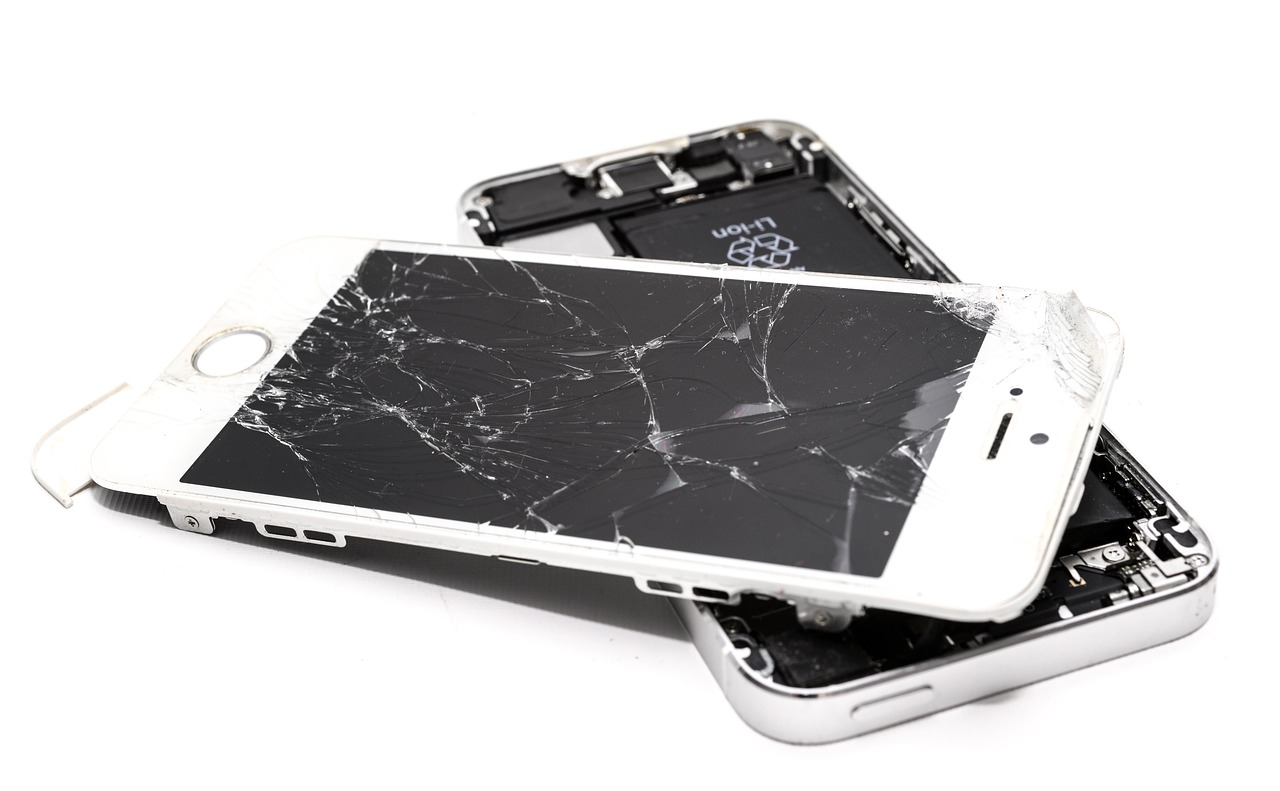
Shock and vibration testing simulates sudden, high-intensity impact events, such as drops or collisions, to understand whether a product will be damaged when encountering these sudden conditions.
The application scenarios for impact vibration testing include:
- Drop and impact tests : Evaluate the product’s impact resistance when dropped or impacted.
- Consumer products : Ensure that fragile products are not damaged during transportation and handling, such as electronic devices and glassware.
- Automotive industry : Testing the impact resistance of components such as safety systems, engine management systems, and headlights.
- Military and Defense : Used for testing military equipment, such as ruggedized computers, ammunition, and armored vehicles, to ensure they function properly under battlefield conditions.
- Packaging testing : Testing the protective capabilities of the packaging to ensure that the product is not damaged during transportation.
- Transportation testing : Simulates the impacts that a product may encounter during transportation, such as vehicle collisions.
- Functional shock test : Ensures that the product can still function normally after being subjected to impact.
Other vibration test types
Other types of vibration testing include:
Combined Modes Test : This test combines multiple vibration modes, such as sinusoidal waves superimposed with random vibrations or random vibrations superimposed with random vibrations. It is used to simulate more complex environments, such as vibrations generated by engine or helicopter blades.
Time Waveform Replication (TWR) : This technique replicates pre-measured time waveforms in a laboratory setting to accurately reproduce vibrations in a real-world environment. It is used to simulate vibration environments that vary with time and frequency.
Multiple-input multiple-output (MIMO) control : Simultaneously apply vibrations in multiple axes to more realistically simulate actual vibration environments while saving testing time.
Summarize
Different vibration testing methods are suitable for different products and applications. Sinusoidal vibration testing is suitable for structural analysis and fatigue testing, random vibration testing is suitable for simulating real-world environments, and shock vibration testing is suitable for evaluating a product’s shock resistance. In addition, there are other complex testing methods, such as mixed-mode testing, time-waveform replication, and multi-axis vibration testing, used to simulate more complex vibration environments. Product manufacturers should choose the appropriate testing methods to ensure the reliability and durability of their products.